






The Enduring Legacy of the Dot Matrix Printer
December 26, 2023
The Evolution of Print Technology: What’s New in 2024?
January 30, 2024 Introduction: Navigating the Cybersecurity Maze for Small Businesses
In the ever-evolving digital landscape, cybersecurity has never been more critical for small businesses. The online world presents countless opportunities for growth and success, but it also harbors increasingly sophisticated threats that can derail your business without warning. Small businesses, in particular, find themselves in the crosshairs of cybercriminals drawn by the often-limited security measures that are unfortunately all too common.
If you neglected your cyber defenses in 2023, the new year brings the perfect opportunity to review and improve your security measures. This comprehensive post will explore basic practical strategies to fortify your business and help protect you from common threats. Whether you’re tech-savvy or technologically challenged, At CCP Solutions, we understand the challenges small business owners face, and we’re here to help you navigate the complex world of cybersecurity.
Understanding the Cybersecurity Landscape: Identifying the Threats
Before you can effectively protect against threats, it’s crucial to understand why cybersecurity is a pressing concern for small businesses like yours. While you can’t foresee every new threat, understanding how and why threats happen is paramount to ensuring you have the right protection measures in place.
Cybersecurity threats have evolved into highly sophisticated and adaptable adversaries. Cybercriminals continuously develop new techniques, from ransomware attacks that encrypt your data and demand a hefty ransom to phishing campaigns that exploit human error. These threats are not only prevalent; they are increasingly targeted, making it essential to stay vigilant.
Unfortunately, small businesses are prime targets for cyberattacks. Why? Because many lack the robust security measures found in larger organizations, making them easier prey.
Cybercriminals recognize that small businesses may not have the resources to adequately secure their network and assets. A single breach can have devastating consequences, including financial losses, damaged reputation, and loss of customer trust. So why run the risk?
Conducting a comprehensive risk assessment is the first and most crucial step in defining a solid strategy to protect your business. A risk assessment involves identifying vulnerabilities and threats that are specific to your business. It’s like taking a deep dive into your organization’s digital infrastructure to understand where potential weaknesses may exist.
Conducting a Cybersecurity Risk Audit
- Identify and Catalog Assets: Start by making a comprehensive list of all your digital assets, including hardware, software, data, and network resources.
- Determine Vulnerabilities: Assess each asset for vulnerabilities. This could include outdated software, weak passwords, or lack of encryption.
- Analyze Threats: Understand potential threats, such as malware, ransomware, or phishing attacks, and how they might exploit your vulnerabilities.
- Evaluate Risk Level: For each vulnerability, consider the likelihood of a threat and the potential impact on your business.
- Plan Remediation Steps: Prioritize risks and plan steps to mitigate them, such as updating software, implementing stronger passwords, or training employees.
Understanding where your security weaknesses lie is a pivotal step in fortifying your cybersecurity defenses. A security assessment report can automate the risk audit—it helps you identify vulnerabilities in your current setup, enabling you to prioritize and comprehend the level of threat each vulnerability poses to your business. With this report, you’ll begin to gain insights into the areas of your cybersecurity that need immediate attention and the steps you can take to address them.
Identifying potential risks is the first step, but not all risks are created equal, and you can’t address everything at once. By assessing each risk’s potential impact on your business, you can allocate your resources and efforts effectively. Tackle the most critical vulnerabilities first, minimizing the risk of a catastrophic breach.
In the following sections, we’ll explore some basic, practical strategies and offer actionable steps you can take to strengthen your business’s cybersecurity defenses. While this is not a comprehensive fortification of your systems and data, it’s the low-hanging fruit, and these simple strategies could save you a ton of headaches and remediation costs.
Creating a Strong Password Policy
A cornerstone of cybersecurity is a strong password policy. Encourage your staff to use complex passwords that combine letters, numbers, and symbols, and advocate for regular password changes. It’s crucial to avoid easily guessable information such as birthdays or common words. Password management tools are beneficial for generating and securely storing complex passwords, helping to prevent the use of the same password across multiple accounts.
In addition to using these tools, educating your staff about password security is essential. Your policy should highlight the risks of weak passwords, discourage password sharing, and provide guidance on creating strong, unique passwords. Additionally, have a response plan for compromised passwords, including immediate changes and checks for unauthorized access. By balancing technical tools with informed practices, you’ll strengthen your business’s defense against cyber threats and foster a culture of security within your organization.
Implementing Multi-Factor Authentication (MFA):
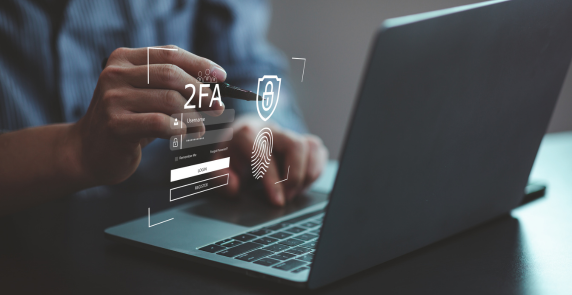
Multi-Factor Authentication (MFA) is a security process that requires more than one method of authentication from independent categories of credentials to verify the user’s identity for a login or other transaction. Essentially, MFA adds an extra layer of security beyond just a password. This can include something the user knows (like a password or PIN), something the user has (like a smartphone or security token), and something the user is (like a fingerprint or facial recognition). By combining these different forms of verification, MFA significantly reduces the risk of unauthorized access, even if a password is compromised.
Implementing a standardized MFA method for your employees can simplify the process and ensure consistency in your security practices. This approach helps employees understand and adhere to security protocols more easily, maintaining a high level of security across your organization.
Regular Software Updates and Patch Management:
Keeping software and operating systems up to date is essential for cybersecurity. Regular updates often contain critical security improvements that address vulnerabilities that hackers could exploit. To effectively manage this process, it’s important to implement a policy for routine checks and updates. This should involve prioritizing patches based on the security risk and ensuring consistent updates across all network devices.
Automating patch management can streamline this process and make it more efficient. Automated systems ensure timely application of updates, reducing the risk of human error and missed critical patches. Managed IT services can further assist by monitoring and managing these updates, providing expertise and resources to keep your systems secure with the latest security measures.
By establishing a clear policy and considering automated solutions or managed IT services, you can maintain a strong defense against cyber threats, ensuring that your business’s software is always up-to-date and secure.
Employee Training and Awareness:
In cybersecurity, the human element is as crucial as technological defenses. Employees can either be your first line of defense or a potential vulnerability. Therefore, small business owners must invest in comprehensive employee training on cybersecurity best practices. This education should go beyond the basics of solid passwords and secure internet usage; it should also include identifying and responding to different types of cyber threats, such as phishing, malware, and social engineering attacks. By making cybersecurity part of your company culture, employees become more vigilant and less likely to fall prey to cyber-attacks.
Interactive training sessions, such as simulated phishing exercises, are particularly effective. These simulations can provide employees with realistic scenarios where they must identify potential threats, teaching them to spot the subtle signs of phishing attempts. This hands-on approach tests their understanding and helps inculcate a sense of responsibility and vigilance.
Furthermore, creating a culture of open communication about cybersecurity within your organization is imperative. Employees should feel comfortable reporting potential threats and asking questions about security practices. Regular updates on new cybersecurity trends and threats can help keep everyone informed and engaged. Remember, informed and aware employees are your strongest asset in the fight against cybercrime. They can help identify threats early, potentially avert disastrous breaches, and contribute to a more secure and resilient business environment.
Data Backup and Recovery Plans
In today’s digital age, data is one of the most valuable assets for any business. Loss of data due to cyber incidents, system failures, or human errors can have catastrophic consequences. This is where regular data backups come into play, serving as a crucial safety net. By ensuring that all your critical business data is backed up, you can protect your business from the dire consequences of data loss. Regular, scheduled backups should be a fundamental part of your business’s cybersecurity strategy, ensuring that no matter what happens, your data remains accessible and secure.
The effectiveness of your backup strategy depends largely on the technology and processes you use. Automated and secure backup solutions are ideal for ensuring consistency and reliability in your backup process. These solutions can be configured to automatically back up data at regular intervals, reducing the burden on your staff and minimizing the risk of human error. It’s essential to choose backup solutions that offer encryption and secure storage, protecting your data not only from loss but also from unauthorized access
Managed IT services can play a significant role in enhancing your data backup and recovery plans. They can provide expert guidance on the best backup solutions tailored to your business needs and help set up and manage these systems. In the event of a cyber incident, a managed IT service provider can assist in the quick and efficient recovery of your data, minimizing downtime and disruption to your business operations. With their support, you can have peace of mind knowing that your data is backed up securely and can be recovered swiftly when needed.
Network Security and Firewall Protection:
Network security is a critical aspect of your business’s overall cybersecurity posture. In an era where cyber threats are becoming more sophisticated, ensuring the integrity and security of your network is paramount. One of the foundational elements of strong network security is the use of firewalls. Firewalls act as a barrier between your trusted internal network and untrusted external networks, such as the Internet. They are designed to prevent unauthorized access and can be configured to block harmful traffic, thereby protecting your network from a wide array of cyber threats.
However, network security goes beyond just installing a firewall. It’s about creating a comprehensive strategy that includes ongoing monitoring and intrusion detection. This is where managed IT services can be invaluable. With their expertise, these services continuously monitor your network, swiftly identifying and responding to any unusual activity that could indicate a breach. This proactive approach to network security ensures that threats are detected and mitigated before they can cause significant damage.
Moreover, managed IT services can help regularly update and fine-tune your firewall settings and other security protocols to adapt to the ever-changing cyber threat landscape. They can also offer guidance on best network security practices, helping educate your team on maintaining a secure network environment. By partnering with a managed IT services provider, you ensure your network is well-protected, and its security evolves as quickly as the latest threats and technological advancements.
Incident Response and Contingency Planning:
A solid incident response plan is crucial for any business to manage and recover from cybersecurity breaches effectively. This plan is your blueprint for action in the event of an incident, detailing how to limit the damage, swiftly respond to the threat, and restore normal operations as quickly as possible. The key to a successful incident response plan is not just in its creation but also in regular testing and updating to ensure it remains effective against evolving cyber threats.
The benefits of partnering with a managed IT services provider in this aspect of cybersecurity are substantial. These providers bring specialized expertise in incident detection, response, and recovery. They can help you design a comprehensive incident response strategy tailored to your business’s specific threats and risks. In the event of a security breach, having a managed IT service provider on board means you have access to experts who can quickly identify the source of the breach, contain the incident, and mitigate its impact, thereby reducing downtime and potential loss.
Furthermore, collaborating with a managed IT service provider leads to a more robust cybersecurity strategy. These providers don’t just react to incidents; they also work proactively to prevent them. With their ongoing monitoring, regular updates, and continuous improvements to your security measures, they can help you stay one step ahead of potential threats.
Choosing a Managed IT Provider
When it comes to bolstering your cybersecurity, the choice of a Managed IT Services Provider is a simple and cost-effective solution. In an environment where digital threats are constantly evolving, having a reliable provider can make all the difference. They bring to the table a wealth of experience in cybersecurity, offering full coverage for your business’s needs.
CCP Solutions’ Managed IT Services encompass a comprehensive range of cybersecurity measures. From real-time monitoring and threat detection to regular system updates and patch management, they ensure that your digital defenses are always at their strongest. Their proactive approach to cybersecurity means that potential vulnerabilities are addressed long before they can be exploited by cybercriminals. This level of vigilance is crucial in maintaining the integrity and confidentiality of your sensitive business data.
Moreover, in the unfortunate event of a cybersecurity incident, CCP Solutions is equipped not just to address the immediate threat but also to assist in the recovery and rebuilding process. Their team is prepared to help you restore systems and data, minimizing downtime and the impact on your business operations. This comprehensive support, from prevention to recovery, positions CCP Solutions as an ideal partner in managing your cybersecurity landscape. With CCP Solutions, you gain more than just a service provider; you gain a partner who is invested in the security and success of your business.
Navigating the cybersecurity landscape can be daunting, especially for small business owners who may not be tech-savvy. However, by understanding the threats and implementing these essential strategies, you can significantly bolster your defenses. Remember, cybersecurity is an ongoing process, and staying informed and proactive is key to protecting your business in the digital age. With CCP Solutions as your partner in this journey, you’re not alone in facing these challenges. Together, we can build a safer, more secure business environment. Contact us to learn more about our cybersecurity solutions.